Every medicine we use goes through a long and carefully controlled journey before it reaches patients. From research laboratories to final packaging, every step in the pharmaceutical manufacturing process is important to ensure safety, quality, and effectiveness.
One of the most important stages in this journey is the transformation of an API into a finished medicine. Many people know medicines by their brand names, but behind every tablet, capsule, syrup, or injection is an Active Pharmaceutical Ingredient (API) that actually produces the therapeutic effect.
The journey from API to formulation involves advanced manufacturing, formulation development, testing, and quality control. This process ensures that medicines are safe, stable, and effective for patient use.
In this blog, we will understand how APIs are manufactured, how they become finished pharmaceutical products, and the important stages involved in the pharmaceutical product development process.
What is an API in Pharmaceutical Manufacturing?
An API, or Active Pharmaceutical Ingredient, is the main component in a medicine that produces the intended therapeutic effect. It is the ingredient responsible for treating or managing a disease or medical condition.
For example:
- In a paracetamol tablet, paracetamol is the API that helps reduce fever and pain.
- In antibiotics, the API fights bacterial infections.
Without the API, the medicine would not provide any therapeutic benefit.
The quality and purity of APIs play a major role in drug effectiveness, which is why the API manufacturing process is carried out under strict pharmaceutical standards.
Stages of API Manufacturing
The API manufacturing process includes multiple carefully controlled stages.
1. Raw Material Sourcing
The process starts with selecting high-quality raw materials. These materials are carefully tested before being used in manufacturing.
2. Chemical Synthesis
In this stage, the API is produced through controlled chemical reactions or biological processes, depending on the type of medicine.
Some APIs are made using:
3. Purification
After manufacturing, the API is purified to remove impurities and unwanted substances. This step is important to ensure safety and consistency.
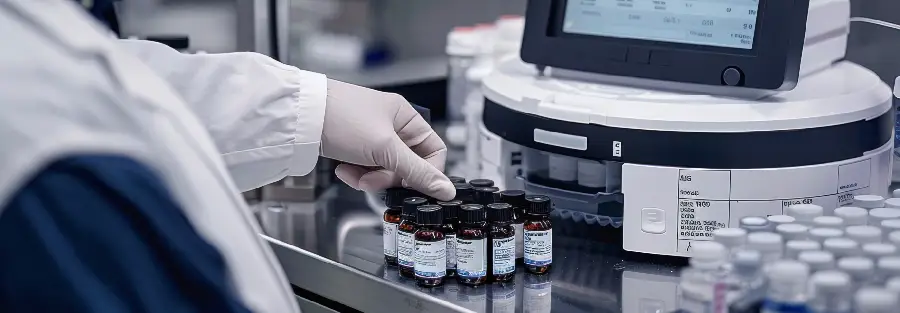
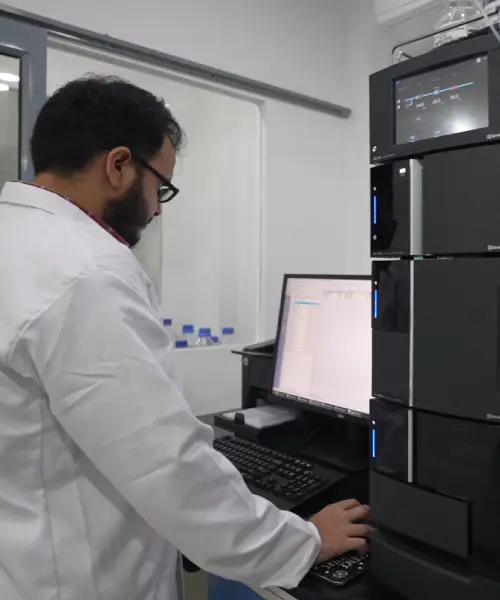
4. Quality Testing
The manufactured API undergoes strict quality checks to evaluate:
- Purity
- Stability
- Potency
- Safety
Only after passing these tests can the API move to the next stage of the drug development process.
How APIs are Converted into Pharmaceutical Formulations
Once the API is ready, it is converted into a pharmaceutical formulation that patients can use safely and conveniently.
This stage is called the formulation development process.
A formulation is created by combining the API with other ingredients known as excipients. These additional ingredients help improve the medicine’s stability, absorption, taste, appearance, and shelf life.
The goal is to transform the API into a dosage form such as:
- Tablets
- Capsules
- Syrups
- Injections
- Creams
This is how an API becomes medicine.
Role of Excipients in Formulation Development
Excipients are inactive ingredients added during formulation development. Even though they do not directly treat diseases, they play a very important role in medicine manufacturing.
Stability Enhancement
Excipients help maintain the stability of the medicine during storage and transportation.
Drug Delivery Improvement
They help the medicine dissolve properly and improve how the API is absorbed by the body.
Shelf-Life Support
Excipients help increase the shelf life of finished pharmaceutical products.
Types of Pharmaceutical Formulations
Different medicines are prepared in different dosage forms depending on patient needs and treatment requirements.
Solid Dosage Forms
Tablets
Tablets are one of the most commonly used pharmaceutical formulations because they are convenient and easy to store.
Capsules
Capsules are used to improve swallowing and support controlled drug release.
Liquid Dosage Forms
Syrups
Syrups are commonly used for children and patients who have difficulty swallowing tablets.
Suspensions
These are liquid medicines containing small solid particles dispersed in a liquid medium.
Injectables
Injectable formulations deliver medicine directly into the body and are widely used in hospitals and emergency treatments.
Topical and Specialized Formulations
Creams
Creams are used for skin applications and are easy to spread.
Ointments
Ointments provide protective and long-lasting effects on the skin.
Gels
Gels are lightweight formulations that absorb quickly into the skin.
Quality Control in API and Formulation Manufacturing
Quality control is one of the most critical stages in the medicine manufacturing process.
Pharmaceutical companies follow strict GMP (Good Manufacturing Practices) guidelines to ensure every product meets safety and regulatory standards.
Quality checks include:
- Raw material testing
- In-process monitoring
- Stability testing
- Final product evaluation
Regulatory compliance ensures that finished pharmaceutical products are safe, effective, and consistent in quality.
Challenges in the API to Formulation Journey
The journey from API to formulation is complex and comes with several challenges.
API Stability Issues
Some APIs are sensitive to heat, moisture, or light, which can affect medicine quality.
Bioavailability Challenges
Certain APIs may not dissolve or absorb properly in the body, making formulation development more difficult.
Formulation Compatibility
The API and excipients must work together without affecting stability or effectiveness.
These challenges require advanced research, testing, and expertise during the pharmaceutical product development process.
Future Trends in Pharmaceutical Manufacturing
The pharmaceutical industry continues to evolve with new technologies and innovations.
Personalized Medicine
Medicines are increasingly being developed based on individual patient needs.
Biologics
Biotechnology-based medicines are becoming an important part of modern healthcare.
AI in Formulation Development
Artificial intelligence is helping researchers improve formulation design and reduce development time.
Continuous Manufacturing
Modern pharmaceutical manufacturing processes are becoming faster, more efficient, and highly automated.
Conclusion
The journey from API to formulation is one of the most important parts of the pharmaceutical manufacturing process. APIs are the core active ingredients that provide therapeutic effects, while formulations convert those APIs into safe and effective medicines for patients.
From API manufacturing and formulation development to quality control and final packaging, every stage in the medicine manufacturing process plays a critical role in ensuring product safety and effectiveness.
As pharmaceutical technologies continue to advance, the pharmaceutical product development process will become even more innovative, helping deliver better healthcare solutions worldwide.